July 24, 2025 · Updated January 21, 2026
What Is SEO and How SEO Works:
A Complete Guide to Search Engine Optimization
If you’ve ever wondered what SEO is and how it works, you’re not alone. Search Engine Optimization (SEO) is one of the most important concepts in digital marketing, yet it’s often misunderstood or overly complicated.
In simple terms, SEO is how websites get found on search engines like Google. Understanding what SEO is, why it matters, and how SEO works step by step can help businesses, bloggers, and website owners increase visibility, attract organic traffic, and grow without relying on paid ads.
This guide explains what SEO is and how it works in a clear, practical way—covering everything from search engines to content, technical setup, authority, and real-world SEO strategies.
What Is SEO?
SEO (Search Engine Optimization) is the process of optimizing your website so it appears higher in search engine results when people search for relevant topics, questions, products, or services.
When someone types a query into Google, SEO determines:
- Whether your website appears
- Which page is shown
- How high it ranks compared to competitors
The better your SEO, the more:
- Visibility your website gains
- Organic traffic you receive
- Trust your brand builds over time
SEO focuses on organic search results, meaning traffic you earn naturally—without paying for ads.
Why SEO Matters More Than Ever
Understanding what SEO is and how it works is critical because:
- Over 90% of online experiences start with a search engine
- Most users click results on the first page only
- SEO drives high-intent traffic
- Organic traffic compounds over time
- SEO builds credibility and trust
Unlike paid advertising,SEO doesn’t stop working. when you stop spending money. A well-optimized page can continue attracting visitors long after it’s published.
How SEO Works: A Simple Explanation
To truly understand how SEO works, you need to know how search engines operate.
At a high level, SEO works by helping search engines:
- Discover your website
- Understand your content
- Evaluate its quality and relevance
- Decide where it should rank
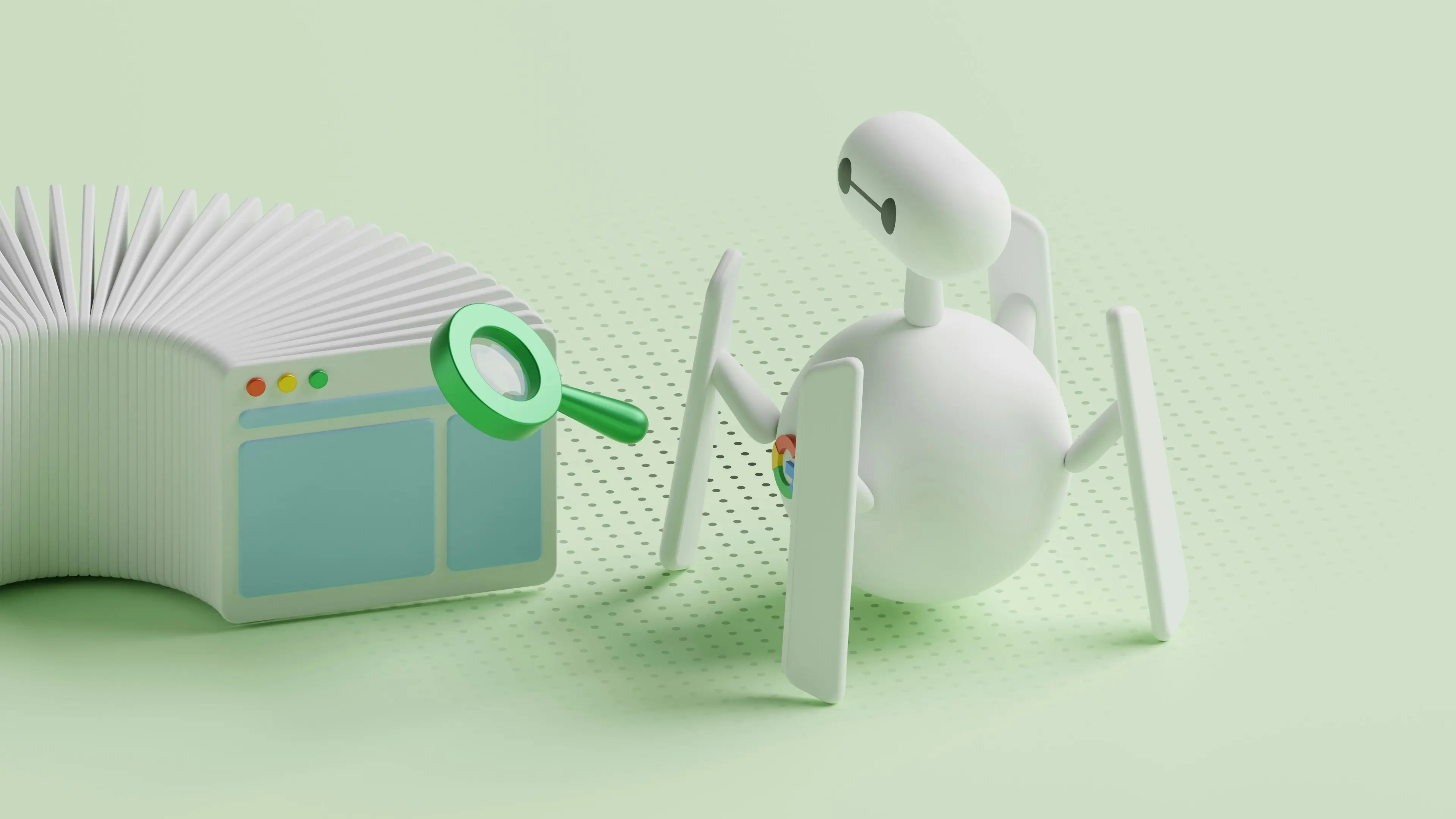
Search engines use automated programs called crawlers (or bots) to scan websites across the internet. These bots collect data and store it in a massive index. When someone searches, Google pulls results from this index and ranks them using complex algorithms.
SEO ensures your website is:
- Easy to crawl
- Easy to understand
- Valuable to users
- Trustworthy compared to others
How Search Engines Work Behind the Scenes
To fully explain how SEO works, it’s important to understand the three main stages search engines use.
- Crawling
Search engines send bots to discover pages by following links. If your site has broken links, blocked pages, or poor structure, important content may never be found.
SEO helps ensure your pages are crawlable.
- Indexing
Once crawled, pages are stored in Google’s index. If a page isn’t indexed, it cannot rank.
SEO ensures:
- Pages are indexable
- Content is properly structured
- Important pages aren’t hidden
- Ranking
When someone searches, Google evaluates indexed pages to decide which ones best match the query. Rankings are based on relevance, authority, user experience, and content quality.
This is where SEO has the biggest impact.
The Three Core Pillars of SEO (And How SEO Works Through Them)
Understanding what SEO is and how it works requires knowing the three pillars of SEO.
1. On-Page SEO: How SEO Works Through Content
On-page SEO includes everything you optimize on your website to improve rankings and usability.
Key On-Page SEO Elements
Keywords
Keywords are the terms users type into search engines. SEO works by aligning your content with these search terms naturally.
Effective keyword use includes:
- Researching real search queries
- Using primary and secondary keywords naturally
- Avoiding keyword stuffing
Page Titles and Meta Descriptions
Titles and meta descriptions influence both rankings and clicks. They tell search engines and users what a page is about.
Strong titles improve visibility. Strong descriptions improve CTR.
Header Tags (H1, H2, H3)
Headers structure your content and help search engines understand topic hierarchy. They also improve readability for users.
Internal Linking
Internal links connect related pages, helping search engines crawl your site and understand which pages are most important.
Image Optimization
Images should include descriptive alt text and be compressed for performance. This supports accessibility and page speed.
2. Off-Page SEO: How SEO Works Through Authority and Trust
Off-page SEO focuses on signals outside your website that influence rankings.
Key Off-Page SEO Factors
Backlinks
Backlinks are links from other websites to yours. Google treats them as votes of confidence.
Quality backlinks signal authority and trust.
Brand Mentions
Even unlinked brand mentions help reinforce credibility and online presence.
Guest Blogging and Digital PR
Publishing content on other reputable websites builds authority and increases exposure.
Social Visibility
While social shares aren’t direct ranking factors, they help content get discovered and attract backlinks.
3. Technical SEO: How SEO Works at a Structural Level
Technical SEO ensures search engines can crawl, index, and rank your website efficiently.
Technical SEO Essentials
Site Speed
Fast-loading websites rank better and keep users engaged.
Mobile-Friendliness
With mobile-first indexing, responsive design is essential for SEO success.
HTTPS Security
Secure websites build trust and meet Google’s ranking requirements.
XML Sitemaps
Sitemaps help search engines discover and prioritize your pages.
Clean Code and Structure
Avoid broken links, duplicate content, and crawl-blocking errors that prevent search engines from accessing your site.
How Google Decides Which Pages Rank Higher
To understand how SEO works in practice, you need to knowwhat Google evaluates in SEO.
- Relevance – Does the content match the search intent?
- Authority – Do trusted websites link to it?
- User Experience – Is the site fast, usable, and mobile-friendly?
- Content Quality – Is it helpful, original, and complete?
- Freshness – Is the content updated and accurate?
SEO aligns your website with these ranking factors.
How Long Does SEO Take to Work?
SEO is a long-term strategy, not an instant fix. Unlike paid advertising, SEO does not deliver results overnight because search engines need time to discover, evaluate, and trust your website.
In most cases, SEO takes several months to show meaningful results, and the timeline depends on factors like competition, website quality, and consistency.
Typical SEO Timeline
While no two websites are exactly the same, most SEO efforts follow a predictable pattern:
Month 0–1: Foundation and Indexing
During the first few weeks, SEO work focuses on:
- Technical improvements
- Keyword targeting
- Content optimization
- Site structure and internal linking
At this stage, search engines begin crawling and indexing changes, but visible ranking improvements are usually minimal.
Months 1–3: Early Signals and Small Improvements
This is when early SEO progress may start to appear:
- Pages begin ranking for low-competition keywords
- Impressions increase in Google Search Console
- Small traffic gains may occur
These early signs indicate that search engines are starting to understand your content better.
Months 3–6: Noticeable Growth
For many websites, this is when SEO begins to work more clearly:
- Rankings improve for primary keywords
- Organic traffic becomes more consistent
- Engagement metrics like time on page improve
If SEO is done correctly and consistently, this phase often brings the first noticeable results.
6–12+ Months: Compounding SEO Results
Long-term SEO success builds over time:
- Stronger keyword positions
- Higher authority and trust
- Steady organic traffic growth
At this stage, SEO becomes a compounding asset, meaning results continue to improve even without constant changes.
What Affects How Long SEO Takes?
Several factors influence how quickly SEO works:
- Competition: Highly competitive industries take longer to rank
- Website age: New websites typically need more time to build trust
- Content quality: Helpful, well-structured content ranks faster
- Technical SEO: Poor site performance slows progress
- Consistency: SEO requires ongoing optimization, not one-time effort
Why SEO Takes Time (And Why That’s a Good Thing)
Search engines aim to provide reliable results to users. Because of this, SEO rewards:
- Consistency
- Quality
- Long-term value
While SEO takes longer than paid ads, the results are more sustainable. Once rankings improve, organic traffic can continue growing without paying for every click.
In short: SEO doesn’t work instantly — but when it works, it keeps working.
Common SEO Mistakes to Avoid
- Keyword stuffing
- Ignoring mobile optimization
- Publishing thin or duplicate content
- Neglecting internal links
- Expecting instant results
- Buying low-quality backlinks
FAQs: What Is SEO and How It Works
What is SEO in simple terms?
SEO is the process of improving your website so it appears higher in search engine results and attracts organic traffic.
How does SEO work step by step?
SEO works by helping search engines crawl, index, and rank your content based on relevance, authority, and user experience.
Is SEO better than paid ads?
SEO provides long-term visibility and consistent traffic, while paid ads offer short-term exposure. Both can work together.
Can beginners learn SEO?
Yes. Understanding what SEO is and how it works is possible with consistent learning and practical application.
Does SEO still matter in 2026?
Absolutely. As long as people search online, SEO remains essential.
Conclusion: What Is SEO and How It Works in the Real World
So, what is SEO and how does it work in practice?
SEO is the bridge between your website and people actively searching for answers, services, and solutions. It works by combining high-quality content, technical optimization, and authority-building to help search engines trust and rank your website.
When you understand what SEO is, apply how SEO works, and stay consistent, SEO becomes one of the most powerful long-term growth strategies available—without relying on paid advertising.
Want Help Improving Your SEO?
If you’re ready to apply what you’ve learned about what SEO is and how it works,Esper Creations can help you build a results-driven SEO strategy tailored to your business goals.
More Articles For You
Keep learning — explore more guides on SEO, web design, and growth.