December 03, 2025 · Updated January 08, 2026
What SEO Actually Does (And How SEO Works)

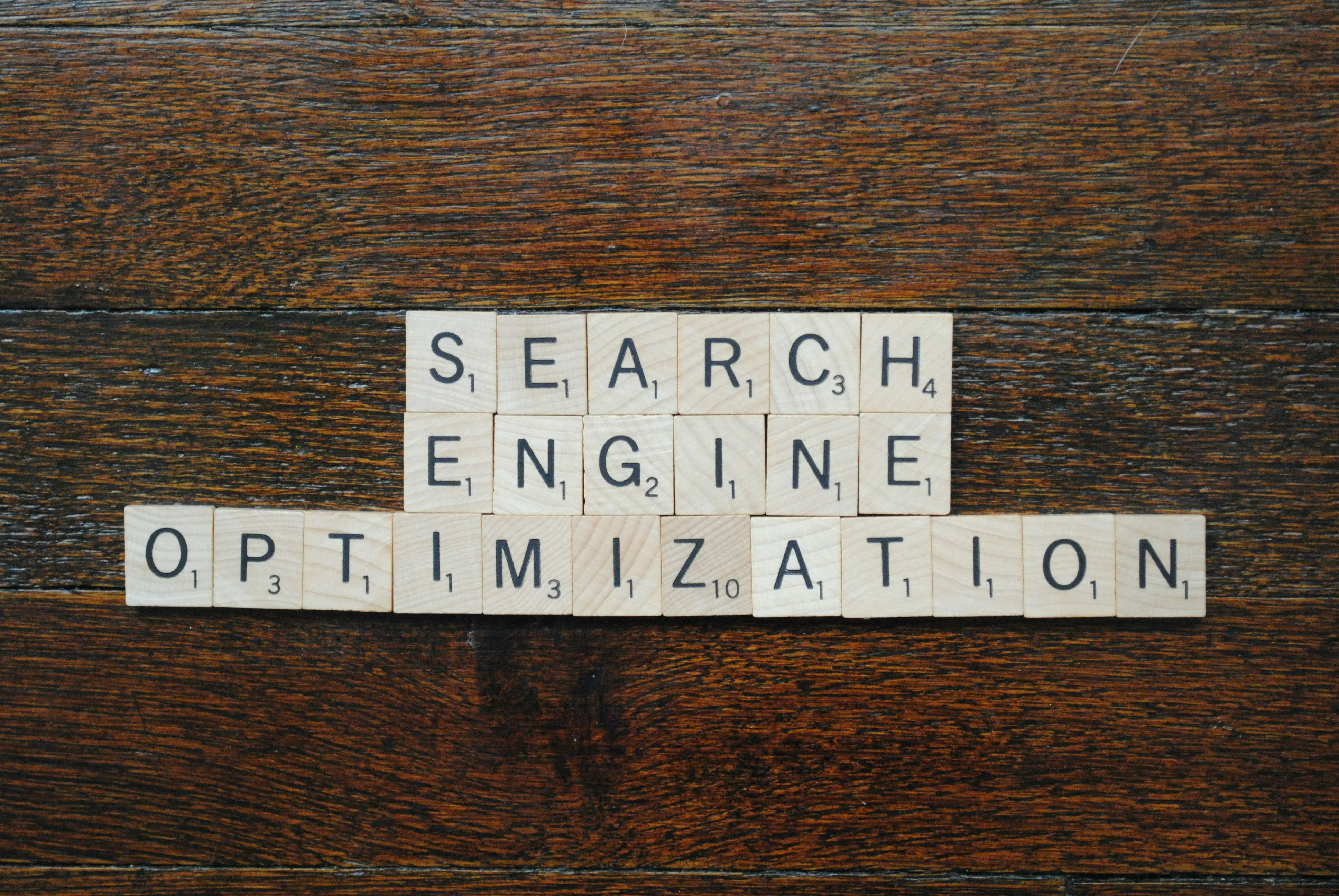
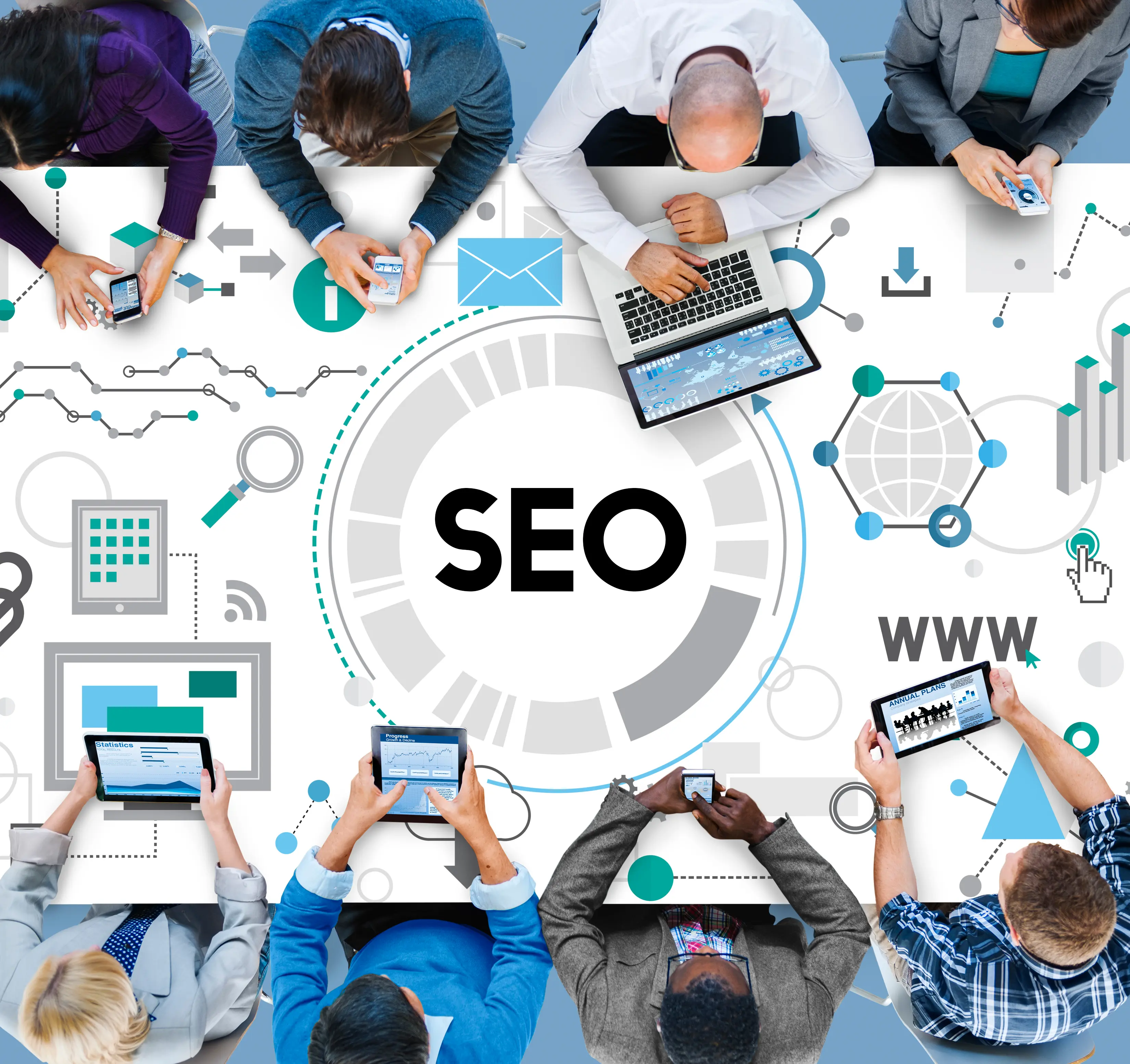
Search Engine Optimization (SEO) is the process of improving a website so search engines like Google can discover, understand, and rank it for relevant searches. In simple terms, SEO helps your website appear when people search for products, services, or information related to your business.
SEO works by optimizing your site’s content, structure, and authority so search engines can match your pages to the right search queries. When done correctly, SEO increases visibility, attracts targeted organic traffic, and strengthens long-term online growth.
What Is SEO?
SEO, or Search Engine Optimization, is the practice of optimizing a website so it ranks higher in search engine results pages (SERPs). The goal of SEO is to increase organic (non-paid) visibility by helping search engines understand what your website is about and who it is for.
SEO focuses on aligning your content with user search intent while meeting technical and quality standards set by search engines.
Why SEO Still Matters Today
Effective SEO helps search engines understand:
- what your content is about
- who it’s meant for
- how useful it is compared to other pages
And because users trust Google’s top results, higher rankings directly translate to more visibility, more authority, and more qualified traffic.
Even with the rise of social media, AI search, and voice assistants, organic search remains one of the largest traffic channels online. People use search engines with high intent — meaning SEO helps you appear exactly when your audience needs you.
How Does SEO Work?
SEO works through a series of processes that help search engines discover, understand, and rank web pages.
1. Crawling
Search engines use bots to crawl websites and discover new or updated pages. SEO ensures your site is accessible, fast, and properly linked so crawlers can find your content.
Good SEO makes sure pages are:
- accessible
- fast
- properly linked
- free of technical issues that block crawlers
If a page can’t be crawled, it can’t be indexed — which means it can’t rank.
2. Indexing
Once crawled, pages are indexed and analyzed based on content, images, internal links, metadata, and mobile usability.
Good SEO helps search engines correctly interpret your content and place it into the right search categories.
3. Ranking
Search engines rank indexed pages based on relevance, authority, and user experience to determine which pages appear first for a given search.
SEO helps your content check all these boxes, making it more likely to appear at the top of the results.
What Does an SEO Specialist Do?
An SEO specialist is responsible for improving a website’s visibility in search engines. Their role combines technical knowledge, content strategy, and performance analysis.
- Researching keywords and search intent
- Optimizing on-page content and metadata
- Improving site speed, structure, and technical SEO
- Building backlinks and authority signals
- Monitoring rankings, traffic, and performance
What SEO Actually Does for Your Website
SEO impacts your online presence in several powerful ways.
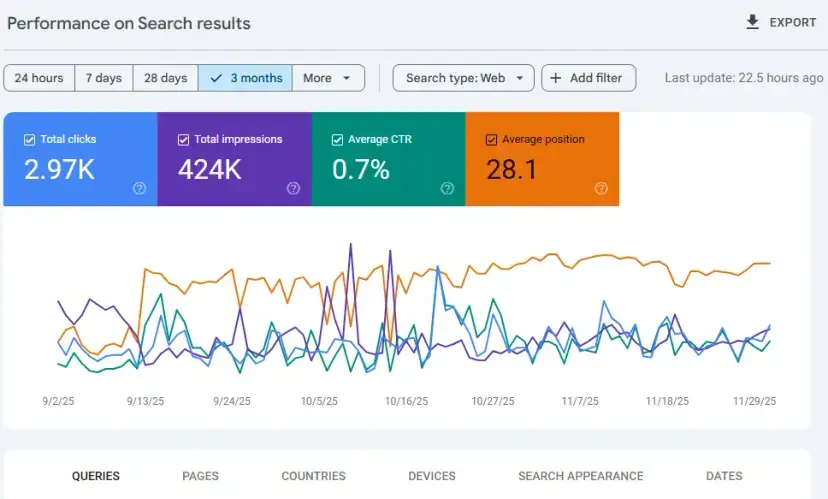
1. Increases Organic Visibility & Traffic
Higher rankings = more clicks. SEO helps your pages appear for the searches your ideal customers are making every day. Unlike ads, SEO traffic is free and sustainable.
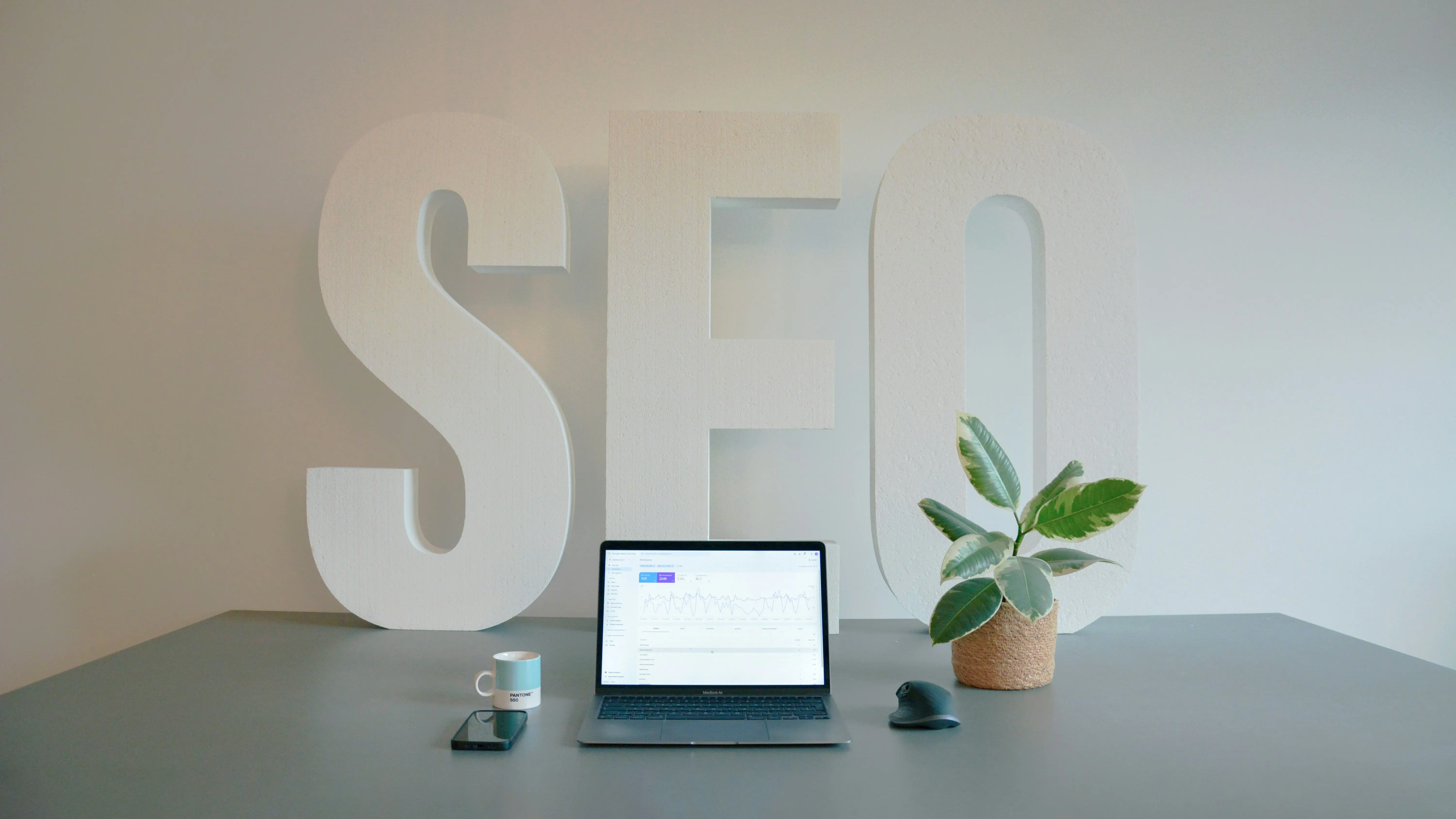
(Source: Google Search Console )
2. Drives Highly Targeted, Intent-Driven Visitors
SEO doesn’t bring just any traffic — it brings the right traffic. People who search for:
- “best design agency in iowa”
- “wordpress development agency in iowa”
- “website design for small businesses”
- “what does seo do for my website”
…are looking for solutions. SEO positions your content as the answer.

(Source: Google Analytics )
3. Builds Trust, Authority & Brand Credibility
Users trust Google’s top results more than paid ads. Ranking well makes your brand appear reputable, authoritative, and established.
Backlinks — links from other reputable sites — strengthen that authority even further.
4. Improves User Experience (UX)
The best SEO today is built around user experience. Because of SEO, websites become:
- faster
- easier to navigate
- more mobile-friendly
- more helpful
Google rewards sites that users enjoy.
5. Delivers Long-Term, Sustainable Results
SEO is one of the few marketing strategies that compounds over time. Once your site ranks, it can maintain visibility for months or even years with consistent optimization.
The Core Pillars of SEO (What You Actually Need to Do)
To understand what SEO does, you must understand how SEO is done. There are three major pillars.
1. Technical SEO — The Foundation of Your Website
Technical SEO ensures your site is built in a way that search engines can easily crawl and index.
Key technical elements include:
- fast loading speed
- mobile-first design
- HTTPS security
- clean URL structure
- XML sitemaps
- robots.txt
- structured data (schema markup)
- strong site architecture
If technical SEO is weak, rankings will suffer — no matter how good your content is.
2. On-Page SEO — Optimizing the Content Users See
On-page SEO focuses on making your content understandable and valuable for both users and search engines.
This includes:
- keyword research and placement
- clear titles and headings
- optimized meta descriptions
- relevant, high-quality content
- internal linking
- image optimization
- addressing search intent
On-page SEO helps search engines connect your page to the right searches.
3. Off-Page SEO — Building Authority and Reputation
Off-page SEO refers to actions you take outside your website to improve its credibility.
This includes:
- earning high-quality backlinks
- guest blogging
- digital PR
- social media presence
- brand mentions
- online directories and citations
Think of off-page SEO as “reputation building” — the more credible your site appears, the better it ranks.
Specialized Types of SEO You May Need
SEO isn’t one-size-fits-all. Different organizations may need specialized approaches.
- Local SEO
Essential for brick-and-mortar businesses looking to appear in “near me” searches. - E-Commerce SEO
Optimizes product pages, category pages, reviews, and structured data for online stores. - International SEO
Supports multilingual or multinational audiences with hreflang tags and region-specific strategies. - Enterprise SEO
Designed for large websites with thousands of pages that require scalable systems.
Why SEO Is Even More Important Now
The digital landscape is evolving fast — and SEO is evolving with it.
SEO matters in our current times because:
- AI-generated search results require higher quality content
- voice search continues to grow
- mobile represents most search traffic
- Google prioritizes user experience more than ever
- competition is increasing in every industry
Search engines are becoming smarter, which means SEO must be smarter too.
How to Use SEO to Grow Your Business (Actionable Steps)
Here’s how you can start turning SEO into results.
- Start With Keyword Research
Use tools like:
Focus on:
- search intent
- long-tail keywords
- competition levels
- terms that your target audience is already searching for
- Create High-Quality, Helpful Content
Write for humans first — search engines second. Aim for content that is:
- well structured
- visually engaging
- problem-solving
- comprehensive
- easy to read
Google now rewards content that demonstrates expertise, experience, authority, and trust (E-E-A-T).
- Optimize Every Page for Search
Include your target keyword in:
- title tag
- H1 heading
- meta description
- first 100 words
- URL
- image alt text
- subheadings (where natural)
Also focus on:
- fast loading times
- optimized images
- strong internal linking
- readable formatting
- Build Authority Through Off-Page SEO
The best authority-building tactics include:
- earning backlinks from reputable sites
- writing guest posts
- publishing research or expert content
- leveraging PR and digital outreach
- building social proof
- appearing in expert roundups
Authority is one of the strongest ranking signals in SEO.
- Monitor Your Performance and Improve Over Time
Use tools like Google Search Console and Google Analytics to track:
- keyword positions
- organic traffic
- click-through rates
- page performance
- indexing issues
Update your content regularly to maintain rankings.
Frequently Asked Questions About SEO
What is SEO and how does it work?
SEO works by optimizing a website’s content, technical structure, and authority so search engines can rank it for relevant searches.
What does SEO do for a website?
SEO increases visibility, drives organic traffic, builds trust, and improves long-term online performance.
Is SEO free?
SEO does not require paying for ads, but it does require time, expertise, and ongoing optimization.
How long does SEO take to work?
SEO results typically take weeks or months, depending on competition, site quality, and consistency.
Conclusion — What SEO Really Does for You
SEO isn’t just about ranking higher. It’s about connecting your content to the people searching for it.
What SEO actually does is simple, powerful, and transformative:
- helps search engines understand your site
- makes your business more visible
- builds trust and authority
- drives qualified traffic
- improves user experience
- grows your brand over time
SEO is not a one-time task — it’s a long-term strategy that compounds in value. The earlier you invest in SEO, the sooner your audience finds you.
Stop guessing and start growing. SEO works — but only when it’s done right. Partner with Esper Creations and let our experts optimize your visibility, increase your rankings, and bring qualified traffic straight to your business. Let’s build your success together.
More Articles For You
Keep learning — explore more guides on SEO, web design, and growth.