January 07, 2026
WordPress or Custom Website Development: Which Is the Right Choice for Your Business?

Choosing how your website should be built is one of the most important digital decisions you’ll make. Whether you’re launching a new business, rebuilding an existing site, or scaling an online platform, the debate often comes down to WordPress or custom website development.
WordPress powers over 40% of the web, making it the most popular website platform in the world. On the other hand, fully custom website development offers complete flexibility, performance control, and scalability—but usually at a higher cost and longer development timeline.
So which option is better?
Is WordPress the best website builder?
Should you use WordPress for your website, or invest in a fully custom solution?
This guide breaks down everything you need to know, from pros and cons to real-world use cases, so you can make the right decision based on your goals—not hype.
Understanding the Basics: WordPress or Custom Website Development
Before comparing them, it’s important to understand what each option actually means.
What Is WordPress?
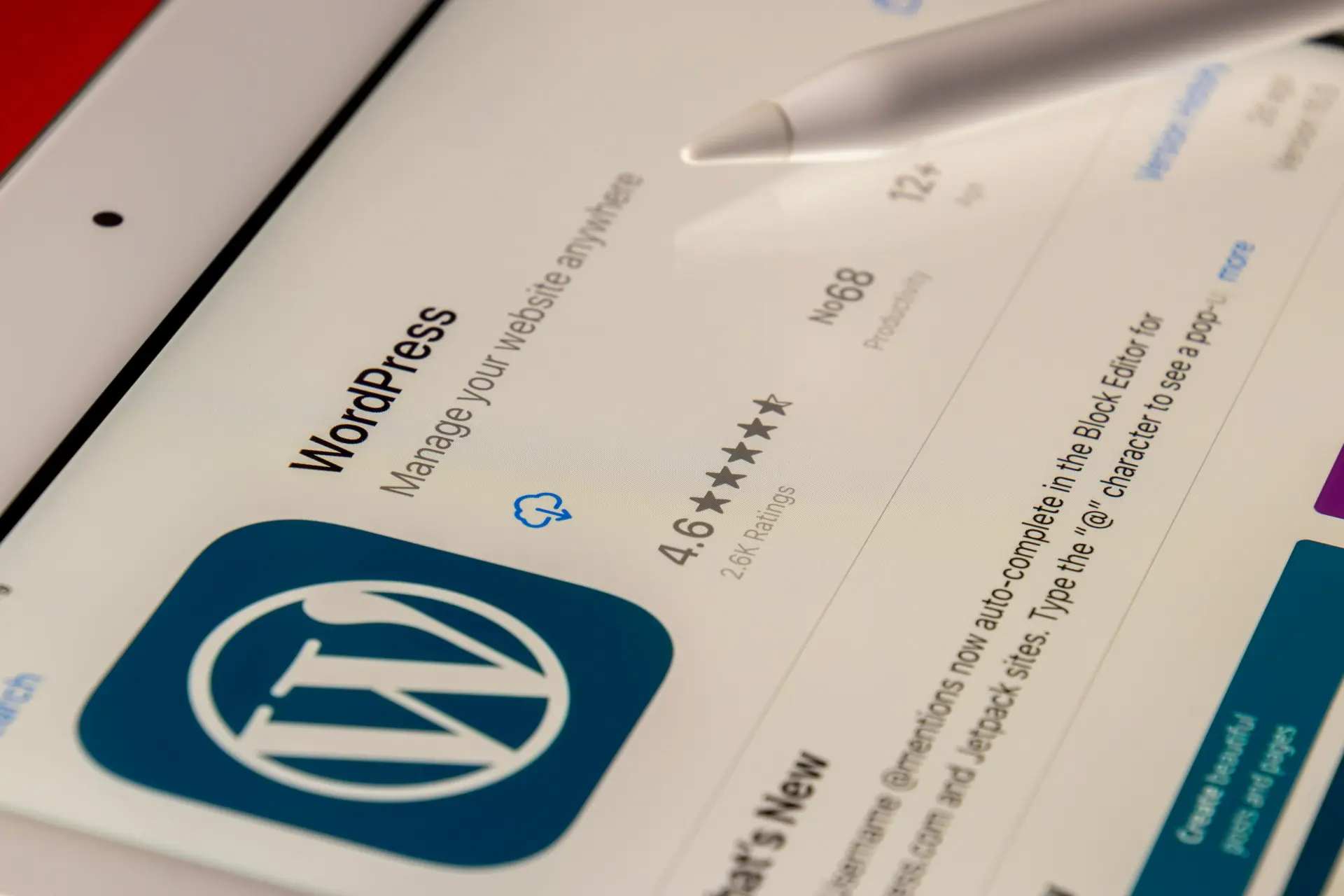
WordPress is an open-source content management system (CMS) that allows users to build and manage websites without writing code from scratch. It supports themes, plugins, and page builders that make it possible to launch websites quickly.
There are two common interpretations of “WordPress”:
- WordPress.org – Self-hosted WordPress (most professional websites use this)
- WordPress.com – A hosted version with limitations
When people compare WordPress or custom development, they’re usually referring to self-hosted WordPress.org.
What Is Custom Website Development?

Custom website development means building a website from the ground up, using programming languages and frameworks such as:
- HTML, CSS, JavaScript
- PHP, Python, Node.js
- React, Next.js, Vue
- Custom backend architectures and databases
There is no pre-built CMS unless one is created specifically for the project. Everything—from functionality to performance optimization—is tailored to the business’s exact needs.
WordPress or Custom Development: Core Differences at a Glance
| Feature | WordPress | Custom Development |
|---|---|---|
| Development Speed | Fast | Slower |
| Initial Cost | Lower | Higher |
| Flexibility | Moderate | Unlimited |
| Scalability | Limited (depends on setup) | High |
| Maintenance | Ongoing updates | Controlled updates |
| Security | Plugin-dependent | Fully controlled |
| Performance | Good with optimization | Excellent when well-built |
| Ownership & Control | Shared ecosystem | Full ownership |
WordPress Pros and Cons
Pros of WordPress
1. Fast Development and Launch
WordPress allows businesses to go from idea to live website in days or weeks, not months. Pre-built themes and plugins dramatically reduce development time.
2. Cost-Effective
For small businesses and startups, WordPress is significantly cheaper than custom development. Many plugins are free or affordable, and development costs are lower.
3. Beginner-Friendly Content Management
WordPress was built for content publishing. Non-technical users can:
- Add blog posts
- Edit pages
- Upload media
- Manage menus
This makes WordPress ideal for businesses that want to manage their content independently.
4. Massive Plugin Ecosystem
With over 60,000 plugins, WordPress can handle:
- SEO
- eCommerce
- Booking systems
- Membership portals
- Analytics
- Forms and automation
In many cases, functionality that would cost thousands to build custom is available via plugins.
5. Strong SEO Capabilities
WordPress is SEO-friendly out of the box and works well with tools like:
- Yoast SEO
- Rank Math
- All in One SEO
With proper optimization, WordPress websites can rank extremely well.
Cons of WordPress
1. Performance Limitations
WordPress sites can become slow if:
- Too many plugins are installed
- Themes are bloated
- Hosting is poor
Performance optimization requires expertise.
2. Security Risks
Because WordPress is widely used, it’s a frequent target for attacks. Vulnerabilities often come from:
- Outdated plugins
- Poorly coded themes
- Weak hosting environments
Security is manageable—but not automatic.
3. Limited Customization Without Code
While WordPress is flexible, truly unique features often require custom plugin or theme development, which reduces its “no-code” advantage.
4. Dependency on Third-Party Plugins
Many WordPress sites rely heavily on plugins. If a plugin is abandoned or incompatible with updates, it can cause issues.
Custom Website Development Pros and Cons
Pros of Custom Website Development
1. Unlimited Flexibility
Custom development allows you to build exactly what you need, without workarounds or compromises.
This is ideal for:
- Complex business logic
- Custom dashboards
- SaaS platforms
- Large-scale applications
2. Superior Performance
Custom websites are typically faster because:
- No unnecessary code
- No plugin bloat
- Optimized assets and architecture
Performance directly impacts SEO, UX, and conversions.
3. Stronger Security
Security is built intentionally—not layered through plugins. Developers control:
- Authentication
- Data validation
- Server configuration
- API access
This is critical for platforms handling sensitive data.
4. Scalability
Custom websites scale more efficiently as traffic, features, and integrations grow. There’s no CMS limitation holding the project back.
5. Full Ownership
You own every line of code. There’s no dependency on third-party ecosystems or updates breaking your site.
Cons of Custom Website Development
1. Higher Initial Cost
Custom development requires:
- Skilled developers
- Longer timelines
- More planning
This makes it more expensive upfront.
2. Longer Development Time
Custom projects can take weeks or months, depending on complexity.
3. Requires Ongoing Technical Support
Without a built-in CMS, content updates and changes may require developer involvement—unless a custom admin panel is built.
4. Overkill for Simple Websites
For basic websites, custom development may be unnecessary and inefficient.
Is WordPress the Best Website Builder?
The short answer: It depends on what you’re building.
WordPress is one of the best website builders for:
- Blogs
- Business websites
- Portfolio sites
- Small to medium eCommerce stores
- Service-based businesses
However, WordPress is not the best solution for everything.
If your website requires:
- Highly complex logic
- Real-time applications
- Advanced integrations
- Custom workflows at scale
Then custom development is often the better long-term solution.
Should I Use WordPress for My Website?
You should use WordPress if:
- You want a fast launch
- You need to manage content yourself
- Your budget is limited
- You don’t require complex custom features
- SEO and blogging are a priority
You should consider custom development if:
- Your website is core to your product or service
- You expect high traffic or rapid scaling
- You need unique functionality
- Performance and security are mission-critical
WordPress or Custom Development for SEO
Both options can rank extremely well if done correctly.
WordPress SEO Strengths
- SEO plugins simplify optimization
- Blogging is seamless
- Structured content management
- Large SEO community and resources
Custom Website SEO Strengths
- Faster load times
- Full control over technical SEO
- Cleaner HTML structure
- Advanced schema and automation
The deciding factor isn’t the platform—it’s implementation quality.
Which Is Better for Businesses?
Small Businesses & Startups
WordPress wins due to affordability and speed.
Growing Brands
WordPress can still work—but may require optimization and partial custom development.
Enterprises & Platforms
Custom development is often better, especially when scalability and integrations matter.
A Hybrid Approach: The Best of Both Worlds
Many modern businesses use WordPress with custom development, such as:
- Custom themes
- Custom plugins
- Headless WordPress with React or Next.js
This approach combines:
- WordPress content management
- Custom frontend performance
- Scalable architecture
Final Verdict: WordPress or Custom Website Development
There is no universal winner.
- WordPress is ideal for speed, cost-efficiency, and content-driven websites.
- Custom development is best for performance, scalability, and complex functionality.
The right choice depends on your business goals, budget, and long-term vision.
Need Help Choosing or Building the Right Website?
Whether you need a high-performing WordPress website, a fully custom web solution, or a hybrid approach, working with experienced developers and SEO professionals makes all the difference.
If you want a website that’s:
- Built for growth
- Optimized for SEO
- Designed to convert visitors into customers
Now is the right time to invest in doing it the right way.
Contact Esper Creations to build a website that looks premium and performs at the highest level.
More Articles For You
Keep learning — explore more guides on SEO, web design, and growth.