December 23,2025
What Are the Three Pillars of SEO?
A Complete Guide to Building Strong, Sustainable Search Visibility

The three pillars of SEO are technical optimization, on-page optimization, and off-page optimization—and together, they form the foundation of how search engines discover, understand, and rank websites. Technical SEO ensures your website can be crawled and indexed efficiently, on-page SEO makes your content relevant and valuable to searchers, and off-page SEO builds authority and trust through signals like backlinks. When all three pillars of SEO work together, they create a strong, scalable SEO strategy that improves visibility, rankings, and long-term organic traffic.
Understanding these pillars is essential if you want to know what SEO actually does, how it evolves, and why some websites consistently rank while others struggle—regardless of how good their content looks on the surface.
Why SEO Is Built on Pillars (And Why They Still Matter)
Search engine optimization changes constantly in execution but rarely in principle. Algorithms are updated, ranking signals are refined, and user behavior evolves—but the core structure of SEO remains the same.
Search engines like Google aim to answer three fundamental questions:
- Can we access and understand this website?
- Does this page provide the best answer for the searcher’s query?
- Is this website trustworthy and authoritative compared to others?
Each of these questions maps directly to one of the three pillars of SEO:
- Technical SEO answers the access and understanding question
- On-page SEO answers the relevance and usefulness question
- Off-page SEO answers the trust and authority question
Ignoring any one pillar weakens the entire SEO structure—no matter how strong the other two are.
Pillar One: Technical SEO (The Foundation of Search Visibility)
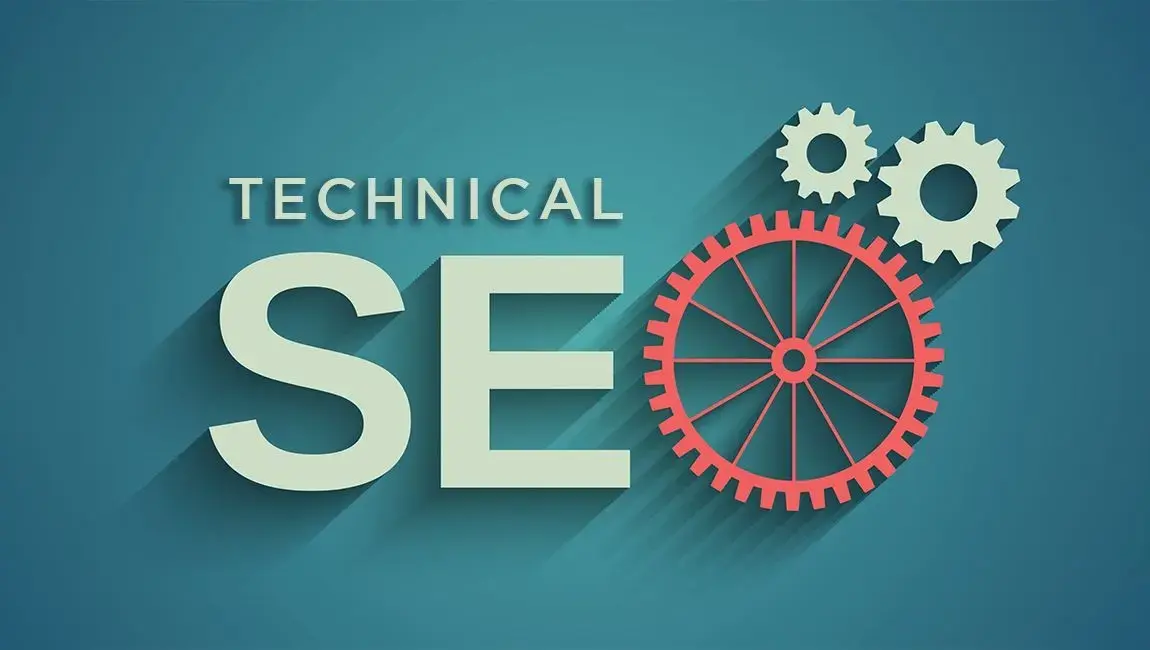
What Is Technical SEO?
Technical SEO is the process of optimizing your website’s infrastructure so search engines can crawl, index, and interpret your pages efficiently. It focuses on performance, accessibility, and structural clarity rather than content itself.
You can think of technical SEO as the foundation of a building. If the foundation is weak, everything built on top of it—content, links, rankings—becomes unstable.
Why Technical Optimization Matters
Even the best-written content will not rank if:
- Search engines can’t crawl your site
- Pages take too long to load
- Your site breaks on mobile devices
- Important pages aren’t indexed
Technical SEO ensures your website is search-engine friendly before content and authority even come into play.
Core Elements of Technical SEO
1. Crawlability and Indexing
Search engines use bots to crawl websites and store pages in their index. If your site blocks these bots—intentionally or accidentally—you won’t rank.
Key actions include:
- Submitting an XML sitemap to Google Search Console
- Ensuring important pages are not blocked by robots.txt
- Using proper internal linking so crawlers can discover pages
- Avoiding orphan pages (pages with no internal links)
A simple example of technical optimization is submitting your sitemap to Google, which helps search engines understand your site’s structure and content priorities.
2. Website Speed and Performance
Page speed is both a ranking factor and a user experience factor. Slow websites lead to higher bounce rates, lower engagement, and reduced conversions.
Performance optimization includes:
- Compressing images
- Reducing unnecessary scripts
- Leveraging browser caching
- Using fast hosting and CDNs
Fast websites don’t just rank better—they convert better.
3. Mobile-Friendliness
With mobile-first indexing, Google primarily evaluates the mobile version of your site.
Technical SEO ensures:
- Responsive design across devices
- Readable text without zooming
- Clickable elements spaced properly
- Consistent content between desktop and mobile versions
A technically sound site works seamlessly on all screen sizes.
4. Site Architecture and URL Structure
Clear site architecture helps both users and search engines navigate your website.
Best practices include:
- Logical page hierarchy
- Clean, descriptive URLs
- Proper use of categories and subcategories
- Breadcrumb navigation
Good structure improves crawl efficiency and distributes ranking power across your site.
5. Security and HTTPS
HTTPS is a confirmed ranking signal. Secure websites protect user data and build trust with both visitors and search engines.
Technical SEO ensures:
- SSL certificates are properly installed
- Mixed content issues are resolved
- Security vulnerabilities are minimized
Technical SEO and Long-Term Growth
Technical optimization is not a one-time task. As websites grow, pages increase, plugins change, and technologies evolve, ongoing technical SEO ensures your site remains accessible, fast, and indexable.
Pillar Two: On-Page SEO (Relevance, Content, and User Experience)

What Is On-Page Optimization?
On-page SEO is the process of optimizing the content and elements on your website pages to ensure they match search intent and provide real value to users.
While technical SEO helps search engines access your site, on-page SEO helps them understand what each page is about.
Why On-Page SEO Is Critical
Search engines rank pages—not websites. Each page must clearly demonstrate:
- Topic relevance
- Search intent alignment
- Content depth and usefulness
- Positive user experience
On-page optimization bridges the gap between what users are searching for and what your website provides.
Core Elements of On-Page SEO
1. Keyword Research and Targeting
Effective on-page SEO starts with understanding search intent.
This includes:
- Primary keywords (e.g., three pillars of SEO)
- Secondary and related keywords (e.g., pillars of SEO, SEO fundamentals)
- Long-tail keywords that match user questions
Keywords should appear naturally in:
- Page titles
- Meta descriptions
- Headings (H1, H2, H3)
- Body content
Not for manipulation—but for clarity.
2. High-Quality Content Creation
Content is the core of on-page SEO. Strong content:
- Answers questions clearly
- Covers topics comprehensively
- Uses simple, readable language
- Provides unique insights
This is where understanding what SEO actually does becomes important—SEO aligns content with user needs, not just algorithms.
3. Headings and Content Structure
Proper heading usage improves:
- Readability
- Content scanning
- Topical clarity
Each page should have:
- One clear H1
- Logical H2s and H3s
- Sections that flow naturally
Good structure benefits both users and search engines.
4. Internal Linking
Internal links help:
- Distribute authority across pages
- Guide users to related content
- Improve crawlability
Linking related articles strengthens topical authority and keeps users engaged longer.
5. User Experience Signals
On-page SEO includes UX factors such as:
- Readable font sizes
- Logical layouts
- Clear calls to action
- Minimal intrusive popups
When users stay longer, scroll deeper, and interact more, it reinforces relevance signals.
On-Page SEO Is Where Value Is Proven
If technical SEO is the foundation, on-page SEO is the structure people actually experience. It’s where brands demonstrate expertise, answer real questions, and build trust with searchers.
Pillar Three: Off-Page SEO (Authority, Trust, and Reputation)
What Is Off-Page Optimization?

Off-page SEO refers to all actions taken outside your website to improve its rankings and authority. It focuses on how the rest of the internet perceives your site.
Search engines use off-page signals to determine credibility.
Why Off-Page SEO Matters
Two websites may have equally strong content—but the one with stronger authority usually ranks higher.
Off-page SEO answers the question: Is this website trusted by others?
Core Elements of Off-Page SEO
1. Backlinks (The Strongest Signal)
High-quality backlinks act as endorsements. They signal that other websites trust your content.
Quality matters more than quantity:
- Relevant sources
- Editorial links
- Natural placements
Spammy links can do more harm than good.
2. Brand Mentions
Even unlinked brand mentions help search engines understand authority and relevance.
Consistent mentions across:
- Blogs
- News sites
- Business directories
- Social platforms
…strengthen brand recognition.
3. Local SEO Signals
For local businesses, off-page SEO includes:
- Google Business Profile optimization
- Reviews and ratings
- Local citations
These signals improve visibility in local search results.
4. Content Promotion and Digital PR
Creating great content isn’t enough—you need visibility.
Off-page SEO involves promoting content through:
- Outreach
- Guest publishing
- Digital PR campaigns
These activities amplify content reach and link acquisition.
Off-Page SEO Is Built Over Time
Authority isn’t built overnight. Consistency, credibility, and genuine value creation lead to sustainable off-page SEO growth.
How the Three Pillars of SEO Work Together
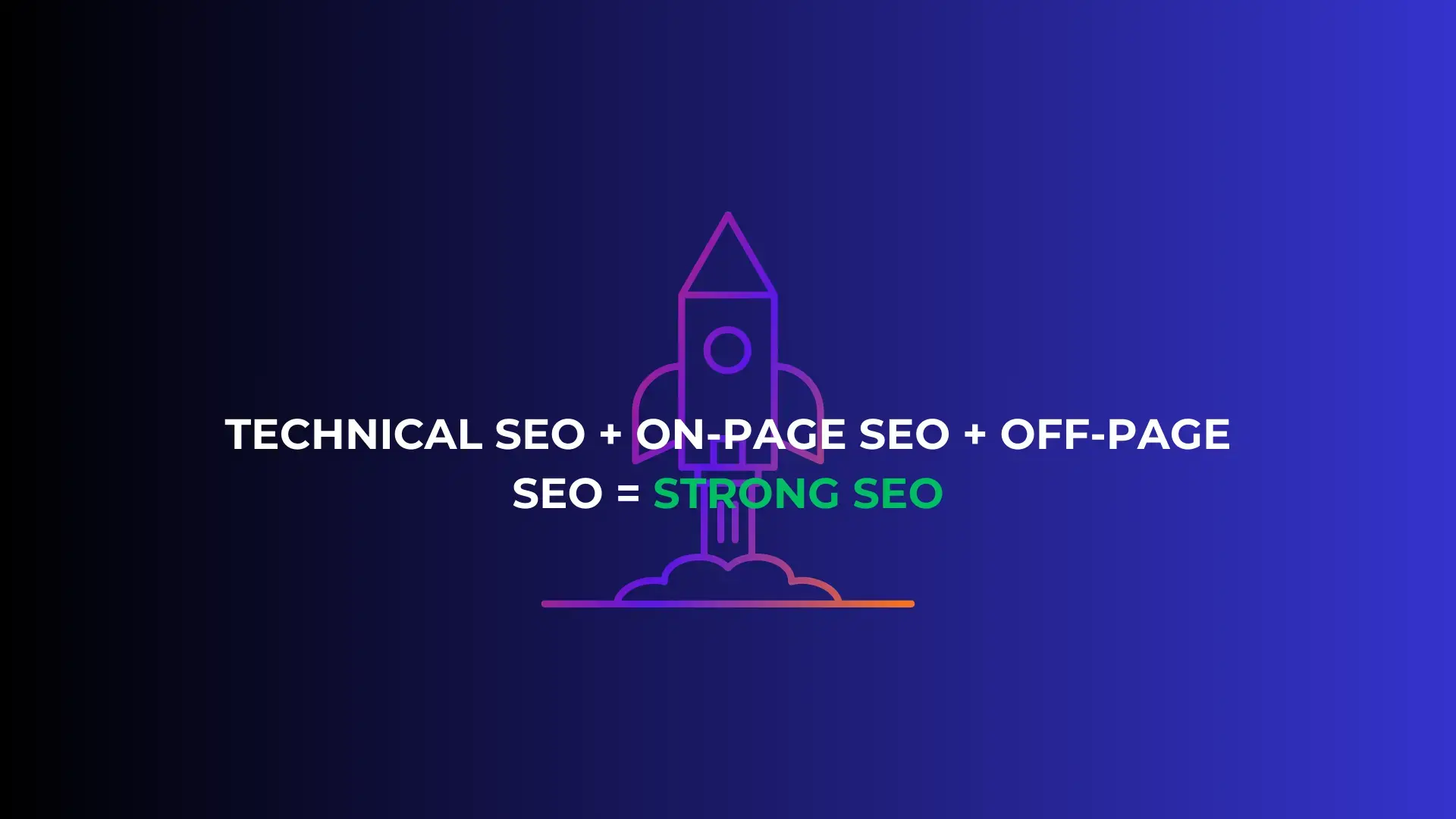
The three pillars of SEO are not independent—they reinforce each other:
- Technical SEO enables crawling and indexing
- On-page SEO provides relevance and value
- Off-page SEO establishes authority and trust
When one pillar is weak, the entire SEO strategy suffers.
Strong SEO happens at the intersection of accessibility, relevance, and credibility.
SEO Is Not Tricks—It’s Structure, Value, and Trust
If you want long-term rankings, SEO is not about shortcuts. It’s about building a system where:
- Search engines can easily access your site
- Users find exactly what they’re searching for
- The web recognizes your brand as authoritative
That is ultimately what SEO actually does—it aligns your website with how people search and how search engines evaluate quality.
Final Thoughts: Building Strong SEO the Right Way
Understanding the three pillars of SEO gives you clarity in a space often filled with confusion. Technical optimization, on-page optimization, and off-page optimization are not trends—they are fundamentals.
Master them, maintain them, and refine them consistently—and SEO becomes a predictable, scalable growth channel rather than a guessing game.
If you approach SEO with structure, patience, and strategy, the results compound over time.
If you want your website to rank higher, attract the right traffic, and grow consistently, let Esper Creations handle your SEO with a strategy built on strong technical foundations, high-quality content, and real authority building. Start Your SEO Strategy Now
More Articles For You
Keep learning — explore more guides on SEO, web design, and growth.